Tempo Ultra Mixing Instructions: A Comprehensive Guide
Tempo’s enduring legacy in Norway and Sweden is fueled by dedicated clubs like Norsk Tempoklubben. Resources on Finn.no and Tradera.com showcase availability, while catalogs detail original pricing – a testament to sustained value.
Tempo Ultra represents a pinnacle in two-stroke engine lubrication technology, specifically formulated for the unique demands of classic Tempo mopeds and motorcycles. Originating from a rich heritage of Norwegian engineering – as evidenced by the dedication of Norsk Tempoklubben – Tempo vehicles require precise fuel-oil mixtures to maintain optimal performance and longevity. Unlike modern engines, these vintage machines rely heavily on the quality and correct proportion of oil within the fuel to lubricate critical components.
Understanding the historical context is crucial. Catalogs and brochures, readily available through resources like Finn.no (Norway) and Tradera.com (Sweden), demonstrate the original specifications and intended use of Tempo vehicles. Tempo Ultra isn’t merely an oil; it’s a carefully engineered solution designed to replicate, and even improve upon, the original lubrication properties. It addresses the specific needs of these engines, mitigating issues like piston seizure and ensuring smooth operation. Proper mixing, therefore, is paramount to preserving these iconic vehicles, and this guide provides a comprehensive approach to achieving that.
Understanding Tempo Ultra Components
Tempo Ultra isn’t a single-component solution; its effectiveness stems from a carefully balanced blend of synthetic and mineral oils, coupled with specialized additives. These additives are crucial for ensuring complete combustion, preventing carbon buildup – a common issue in two-stroke engines – and protecting against corrosion. The base oil selection is tailored to match the original specifications of Tempo engines, acknowledging the historical context highlighted by resources like vintage catalogs found on Tradera.com and Finn.no.
Key components include friction modifiers, designed to reduce wear on pistons, cylinders, and bearings; Detergents help maintain engine cleanliness, while dispersants keep combustion byproducts suspended in the oil, preventing sludge formation. The inclusion of a high-quality anti-seize agent is vital, given the potential for piston seizure in older two-stroke designs, a concern actively addressed by enthusiasts within Norsk Tempoklubben. Understanding these components is essential for appreciating why precise mixing ratios, as detailed in subsequent sections, are non-negotiable for optimal engine health and performance.
Safety Precautions Before Mixing
Prior to commencing any Tempo Ultra mixing, prioritize personal safety. Always work in a well-ventilated area to avoid inhaling fumes from the concentrate or base fuel. Wear appropriate personal protective equipment (PPE), including chemical-resistant gloves and safety glasses, to prevent skin and eye contact. Tempo engine restoration, while rewarding, involves handling potentially irritating substances.

Ensure the mixing area is free from ignition sources – sparks, open flames, or static electricity. Tempo mopeds and motorcycles, particularly vintage models sourced from platforms like Tradera.com and Finn.no, often utilize fuels with varying flashpoints. Keep a fire extinguisher readily accessible. Never mix Tempo Ultra near heat sources.
Properly dispose of any spilled fuel or mixing containers according to local regulations. Consult the Material Safety Data Sheet (MSDS) for Tempo Ultra for detailed hazard information and first aid procedures. Members of Norsk Tempoklubben often emphasize responsible handling practices to preserve both personal well-being and the environment.

Required Tools and Equipment
Successful Tempo Ultra mixing necessitates specific tools for accuracy and safety. A graduated cylinder or precise measuring cups are crucial for achieving correct mixing ratios, vital for optimal Tempo engine performance, whether restoring a classic found on Tradera.com or maintaining a daily rider. A sturdy mixing container, resistant to fuels and oils, is essential – avoid using plastic containers prone to degradation.
A funnel facilitates clean and spill-free transfer of liquids. Agitation is key; a mixing stick or a low-speed drill with a mixing attachment ensures thorough dissolution of Tempo Ultra within the base fuel. For detailed work, referencing repair manuals and parts catalogs (available through Norsk Tempoklubben resources) can be invaluable.
Safety equipment, as detailed in the precautions, is non-negotiable. A clean workspace, protected from contamination, is also vital. Consider having absorbent materials on hand for quick cleanup of any spills. Proper tools contribute to a reliable fuel mixture, enhancing the longevity and performance of your Tempo moped or motorcycle.
Mixing Ratios for Different Applications
Tempo Ultra mixing ratios vary significantly based on the intended application and Tempo model – crucial for maintaining performance, whether a vintage find from Finn.no or a restored classic. For general maintenance of older Tempo mopeds, a 1:50 ratio (1 part Tempo Ultra to 50 parts fuel) is often recommended, providing adequate lubrication for standard riding conditions.
Engine restoration, particularly for seized or neglected engines, may require a richer mixture, such as 1:30 or even 1:25, to aid initial break-in and ensure proper lubrication during the critical early stages. Specific Tempo models, like those detailed in historical brochures, might have unique requirements; consult original documentation whenever possible.
For high-performance applications or demanding riding conditions, a slightly leaner mixture, around 1:60, can be considered, but careful monitoring is essential. Always prioritize erring on the side of a richer mixture to prevent engine damage. Remember, precise ratios, informed by resources like Norsk Tempoklubben, are paramount for optimal Tempo operation.
Step-by-Step Mixing Process ⸺ Basic
Tempo Ultra mixing, while seemingly simple, demands precision. Begin with a thoroughly cleaned fuel container – contamination is a common issue. Accurately measure the required amount of fuel, referencing the ratios determined for your specific Tempo model and application, as discussed previously. Next, carefully measure the corresponding amount of Tempo Ultra, utilizing a dedicated measuring device to ensure accuracy.
Pour the Tempo Ultra into the fuel container. Secure the container’s lid tightly and initiate a gentle, yet thorough, mixing process. Avoid vigorous shaking, which can create excessive foaming. Instead, opt for a rolling motion or gentle swirling to ensure complete integration. Visually inspect the mixture – it should exhibit a uniform color and consistency, indicating proper dissolution.
Before fueling your Tempo, re-check the mixture for any signs of separation. If separation occurs, continue mixing until homogenous. Finally, carefully pour the mixed fuel into your Tempo’s fuel tank, avoiding spills. Remember, consistent and accurate mixing is key to preserving your Tempo, whether sourced from Tradera.com or a local enthusiast.
Preparing the Base Solution
The foundation of successful Tempo Ultra mixing lies in a pristine base solution. Begin by selecting a high-quality, two-stroke engine oil specifically formulated for air-cooled engines – this is crucial for optimal performance and longevity, mirroring the standards upheld by Norsk Tempoklubben. Ensure the oil is within its shelf life; degraded oil compromises the mixture’s effectiveness.
Next, choose your fuel source. While modern gasoline can be used, many Tempo enthusiasts advocate for lower-octane fuels, aligning with the original specifications of these classic machines, often found documented in vintage brochures. The fuel container must be scrupulously clean, free from any traces of water, dirt, or previous fuel mixtures. Any contamination can lead to engine issues.
Precisely measure the required amount of base oil and fuel, adhering to the mixing ratios appropriate for your Tempo model – whether a Tempo moped sourced from Finn.no or a motorcycle. Combine the oil and fuel in the designated mixing container, preparing the base for the addition of Tempo Ultra. A well-prepared base is paramount.
Adding Tempo Ultra to the Base
With the base solution of oil and fuel meticulously prepared, the next step involves the precise introduction of Tempo Ultra. Carefully measure the required quantity of Tempo Ultra, referencing the mixing ratios tailored to your specific Tempo application – be it for general maintenance, engine restoration, or optimizing performance for a Tempo Run. Accuracy is paramount; deviations can negatively impact engine function.
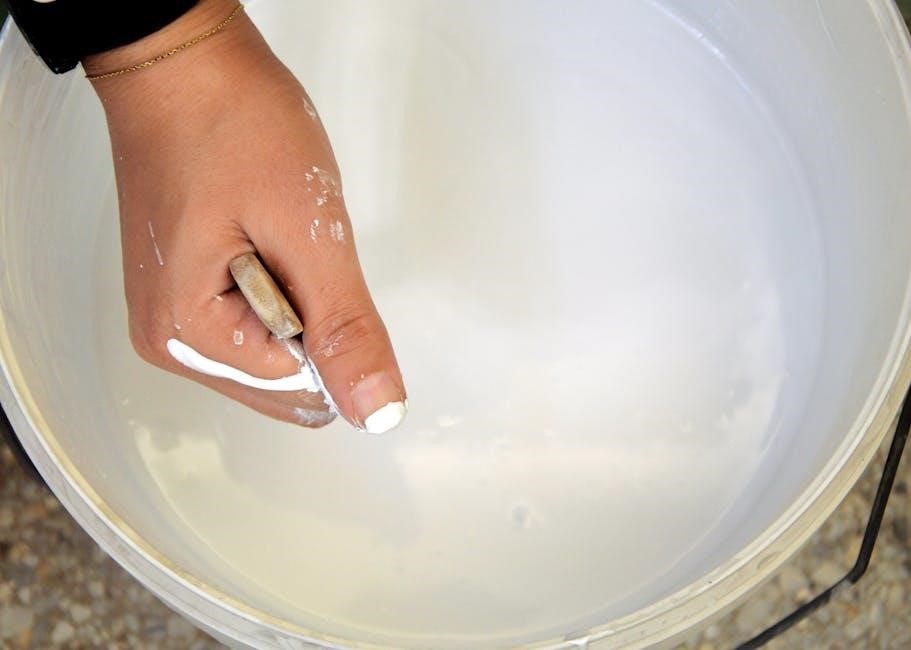
Slowly pour the Tempo Ultra into the base solution while continuously agitating the mixture. This gradual addition, coupled with consistent stirring, prevents localized concentrations and promotes even distribution. Utilize a clean, dedicated stirring implement – a plastic or stainless-steel rod works well – avoiding materials that could introduce contaminants. Remember the dedication to preservation seen in groups like Norsk Tempoklubben.
Observe the mixture closely during this process. A slight color change may occur, indicating the Tempo Ultra is integrating with the base. Continue stirring for a minimum of two minutes, ensuring a homogenous blend. This careful integration sets the stage for complete dissolution and optimal engine performance, whether you sourced your Tempo from Tradera.com or locally.
Ensuring Complete Dissolution
Following the addition of Tempo Ultra to the base solution, verifying complete dissolution is crucial for optimal engine performance and longevity. Visual inspection alone isn’t sufficient; the mixture must be uniformly clear and free of any visible particles or separation. A cloudy or layered appearance indicates incomplete mixing, potentially leading to uneven combustion and reduced efficiency – a concern for enthusiasts maintaining classic Tempo models.
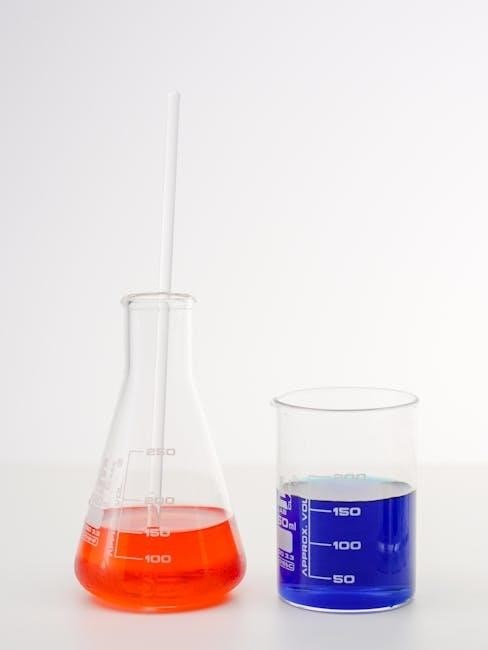
Extend the stirring process for an additional five minutes, maintaining a consistent and vigorous motion. Consider utilizing a mechanical stirrer if available, as it provides more consistent agitation than manual stirring. Periodically inspect the mixture from different angles, ensuring no residue clings to the container’s sides or bottom. This diligence mirrors the meticulous restoration efforts celebrated by Norsk Tempoklubben.
For added assurance, allow the mixture to rest for 15-20 minutes before final inspection. Any remaining undissolved Tempo Ultra will typically settle to the bottom during this period. If settling occurs, resume stirring until a homogenous solution is achieved. Proper dissolution, like finding a well-maintained Tempo on Finn.no, is key to a rewarding experience.
Mixing for Specific Tempo Models (Tempo Mopeds & Motorcycles)
While the basic Tempo Ultra mixing process remains consistent, slight adjustments may be necessary depending on the specific Tempo model – whether it’s a classic moped or a lightweight motorcycle. Older Tempo mopeds, particularly those sourced through platforms like Tradera.com, often benefit from a slightly richer mixture, increasing the Tempo Ultra concentration by approximately 5-10%.
This adjustment compensates for potential wear and tear on the engine’s internal components, ensuring adequate lubrication and preventing premature failure. Conversely, newer Tempo motorcycles, or those meticulously restored to original condition, may perform optimally with the standard mixing ratio. Always consult the original owner’s manual, if available, for model-specific recommendations.
Consider the intended use. For general maintenance and leisurely rides, adhering to the standard ratio is sufficient. However, for engine restoration projects – a passion of Norsk Tempoklubben members – or demanding performance applications, a slightly richer mixture can provide added protection. Careful observation of engine performance and spark plug condition will help fine-tune the mixture for optimal results, mirroring the dedication to preservation seen in the Tempo community.
Troubleshooting Common Mixing Issues
Several issues can arise during Tempo Ultra mixing. One frequent problem is incomplete dissolution, often caused by cold temperatures or insufficient agitation. Ensure the base solution is at room temperature and vigorously stir the mixture for several minutes, verifying no residue remains. Another common concern is inaccurate mixing ratios, leading to either a too-lean or too-rich fuel blend.
A lean mixture can cause engine overheating and potential damage, while a rich mixture results in excessive smoke and reduced performance. Always use precise measuring tools and double-check calculations. If experiencing starting difficulties, particularly with Tempo mopeds acquired through Finn.no, verify the spark plug is clean and properly gapped.
Cloudiness in the mixed fuel can indicate water contamination. If suspected, discard the mixture and start anew with fresh fuel and Tempo Ultra. Remember, consistent quality control is crucial. The dedication of groups like Norsk Tempoklubben highlights the importance of meticulous maintenance. Addressing these issues promptly will ensure optimal engine performance and longevity, preserving the legacy of these classic machines.
Storage and Shelf Life of Mixed Tempo Ultra
Proper storage is vital to maintain the efficacy of mixed Tempo Ultra. Always store the fuel mixture in a tightly sealed, opaque container, specifically designed for gasoline. Exposure to air and sunlight degrades the fuel and reduces Tempo Ultra’s stabilizing properties. Ideal storage conditions involve a cool, dry, and well-ventilated area, away from direct heat sources or open flames – a crucial safety precaution.
Generally, mixed Tempo Ultra fuel has a shelf life of approximately 30-60 days. However, this can vary depending on storage conditions and the quality of the base fuel used. For optimal performance, especially for Tempo mopeds sourced from platforms like Tradera.com, it’s best to use the mixture within a month.
Over time, the fuel can separate or develop varnish, impacting engine performance. Regularly inspect stored fuel for any signs of degradation. Discard any fuel that appears cloudy, discolored, or contains sediment. The preservation efforts of organizations like Norsk Tempoklubben emphasize the importance of using fresh, properly stored fuel to keep these classic vehicles running smoothly.
Tempo Ultra Mixing for Engine Restoration
Restoring a classic Tempo moped or motorcycle, often sourced from sites like Finn.no or through Norsk Tempoklubben, frequently requires addressing fuel system issues. When reviving an engine that has been dormant for an extended period, a carefully mixed Tempo Ultra solution is crucial. Begin with a thorough cleaning of the fuel tank to remove any existing residue or rust.
For restoration projects, a slightly richer mixture of Tempo Ultra can be beneficial, particularly during the initial break-in phase. This helps lubricate internal components and aids in removing carbon buildup. Refer to the specific Tempo model’s documentation – catalogs and handbooks are valuable resources – for recommended ratios.
After cleaning, prime the fuel system with the Tempo Ultra mixture, ensuring it reaches the carburetor. Run the engine at low speed initially, gradually increasing it as the system stabilizes. Consistent use of properly mixed Tempo Ultra will help prevent future corrosion and maintain optimal engine performance, preserving the legacy of these iconic vehicles.
Tempo Ultra Mixing for General Maintenance
Regular maintenance is key to preserving your Tempo moped or motorcycle, whether sourced locally through Finn.no or from across the border on Tradera.com. Consistent use of correctly mixed Tempo Ultra ensures optimal performance and longevity. For routine upkeep, adhere to the standard mixing ratios outlined in the Tempo owner’s manual or available through resources like Norsk Tempoklubben.
A preventative approach involves adding Tempo Ultra to each fuel fill-up. This keeps the fuel system clean, prevents carburetor clogging, and minimizes carbon deposits. It’s particularly important for vehicles used infrequently, as fuel can degrade over time. Regularly check and replace the fuel filter as recommended in the repair handbook.
Properly mixed Tempo Ultra also helps protect against corrosion, especially in humid climates. By maintaining a clean fuel system, you’ll experience smoother operation, improved fuel efficiency, and a more reliable ride, upholding the reputation of these classic two-stroke machines.
Tempo Ultra Mixing for Specific Parts (e.g., Fuel Systems)
Targeted application of Tempo Ultra can address specific component issues, particularly within the fuel system. For carburetors exhibiting sluggish response or minor clogging, a concentrated Tempo Ultra solution can be carefully introduced directly into the carburetor bowl – following safety precautions, of course. This is a more intensive treatment than standard mixing.
When restoring fuel tanks, especially those sourced from online marketplaces like Tradera.com or found through Finn.no, a thorough cleaning followed by a Tempo Ultra treatment is crucial. Add a higher concentration to the remaining fuel to dissolve any remaining residue and prevent future corrosion.
For fuel lines and petcocks, flushing with a Tempo Ultra mixture helps remove deposits and ensures unrestricted fuel flow. Remember to consult repair manuals and resources from groups like Norsk Tempoklubben for specific disassembly and cleaning procedures. Always prioritize safety and proper ventilation when working with fuel system components.

Understanding Tempo Run Variations (Related to Performance)
The term “Tempo Run” within the running community, while seemingly unrelated to Tempo mopeds, highlights nuanced performance distinctions. Unlike simple speed work or interval training, a Tempo Run focuses on sustained effort at a comfortably hard pace – a pace you could theoretically maintain for 20-60 minutes.
Classifications vary, but generally, a Tempo Run falls between your 10k race pace and half-marathon pace. Intensity is key; it shouldn’t feel like an all-out sprint, but significantly faster than an easy recovery run. Distance also plays a role, with longer Tempo Runs emphasizing endurance and shorter ones focusing on speed endurance.
Distinguishing a Tempo Run from other workouts is crucial. It’s not about peak speed, but sustained power. Understanding these variations, much like understanding the different Tempo models available on platforms like Tradera.com, requires recognizing subtle differences to optimize performance. Just as Norsk Tempoklubben preserves knowledge of classic Tempo machines, understanding running terminology preserves training effectiveness.
Tempo Run Definitions and Distinctions
Defining a Tempo Run proves surprisingly complex, often blurred with interval training and varied speed work. The core distinction lies in its sustained, comfortably hard effort. It’s not an all-out sprint, nor is it a leisurely jog; it occupies a middle ground, pushing your aerobic threshold without inducing complete fatigue. Think of it as a controlled discomfort, maintained for a prolonged period;
Tempo Run classifications generally center around intensity and distance. Shorter Tempo Runs (20-30 minutes) prioritize speed endurance, improving your ability to hold a faster pace for longer. Longer durations (40-60 minutes) build aerobic capacity and lactate threshold, enhancing overall endurance. The pace itself typically falls between 85-90% of your maximum heart rate.
Unlike fragmented intervals, a Tempo Run is continuous. This sustained effort demands mental fortitude, mirroring the dedication of groups like Norsk Tempoklubben in preserving Tempo mopeds. Finding the right balance, much like sourcing parts on Finn.no or Tradera.com, is key to maximizing benefits.
Tempo Run Classifications: Intensity and Distance
Tempo Run classifications are primarily delineated by intensity and distance, tailoring the workout to specific training goals. Short Tempo Runs, typically lasting 20 to 30 minutes, emphasize speed endurance. These runs are performed at a comfortably hard pace, pushing the athlete to maintain a faster speed for an extended duration, building resilience.
Conversely, longer Tempo Runs, ranging from 40 to 60 minutes, prioritize aerobic capacity and lactate threshold improvement. This extended effort enhances the body’s ability to process and clear lactate, delaying fatigue and improving overall endurance. The pace remains challenging, but sustainable.
Intensity is often gauged as 85-90% of maximum heart rate, or a perceived exertion level of 7-8 out of 10. Like the meticulous restoration work undertaken by Norsk Tempoklubben with vintage Tempo mopeds, precision is crucial. Finding the optimal combination, mirroring the search for parts on platforms like Tradera.com, unlocks peak performance gains.
Norsk Tempoklubben and Tempo Preservation
Norsk Tempoklubben stands as a cornerstone of Tempo motorcycle and moped preservation in Norway. Their primary objective is fostering an active community dedicated to maintaining and utilizing Norwegian-produced two-stroke mopeds and motorcycles – a commitment mirroring the careful mixing ratios required for Tempo Ultra.
The club actively promotes the historical significance of Tempo, recognizing its cultural impact and engineering ingenuity. Through organized events, technical workshops, and a vibrant online presence (including a dedicated Facebook group for buying and selling), they ensure the legacy continues. Like meticulously referencing original Tempo brochures and repair manuals, they prioritize authenticity.

Norsk Tempoklubben’s efforts extend beyond mere restoration; they champion the practical use of these classic machines. This dedication parallels the need for correctly mixed Tempo Ultra to ensure optimal engine performance. Finding parts, often through online marketplaces like Finn.no, is a collaborative effort, strengthening the community and preserving a piece of Norwegian history.
Tempo Availability in Norway (Finn.no)

Finn.no serves as a primary online marketplace for locating Tempo mopeds and motorcycles within Norway, mirroring the search for the correct components needed for precise Tempo Ultra mixing. The platform consistently lists various models, ranging from well-preserved originals to projects requiring restoration – much like sourcing the base solution for optimal performance.
A quick search on Finn.no reveals a dynamic inventory, influenced by seasonal demand and collector interest. Prices fluctuate based on condition, rarity, and historical significance, echoing the value placed on correctly formulated Tempo Ultra for engine longevity. Listings often include detailed photographs and descriptions, aiding potential buyers in assessing the vehicle’s condition.
The availability on Finn.no demonstrates a sustained interest in Tempo vehicles within Norway. This active market supports the preservation efforts of groups like Norsk Tempoklubben, providing a platform for enthusiasts to connect and share their passion. Just as understanding mixing ratios is crucial, diligent searching on Finn.no is key to finding the perfect Tempo.
Tempo Availability in Sweden (Tradera.com)
Tradera.com functions as Sweden’s leading online auction and marketplace, offering a robust selection of Tempo mopeds and motorcycles, similar to finding the necessary resources for accurate Tempo Ultra preparation. The site frequently features both complete, restored machines and those requiring mechanical attention – mirroring the need for a solid base solution before adding Tempo Ultra.
Searching Tradera.com reveals a diverse range of Tempo models, often including variants sold under the DBS brand, reflecting the historical connection between the two manufacturers; Auction-style listings create competitive bidding environments, influencing final sale prices, much like the impact of precise mixing ratios on engine performance.
The consistent presence of Tempo vehicles on Tradera.com highlights the enduring popularity of these classic Swedish mopeds. This active market supports a thriving community of enthusiasts dedicated to preservation and restoration, paralleling the importance of proper Tempo Ultra usage for maintaining these vehicles. Diligent searching on Tradera.com is essential for locating a desired Tempo.