ultra mf toric fitting guide Overview
The ultra mf toric fitting guide offers a concise protocol for presbyopic astigmatic patients. With Alcon’s samfilcon A and MoistureSeal‚ clinicians select toric power (Step 2) and add power (Step 3) per charts. Proper centration ensures clear vision. Evaluation includes fit‚ comfort‚ and acuity checks!!.
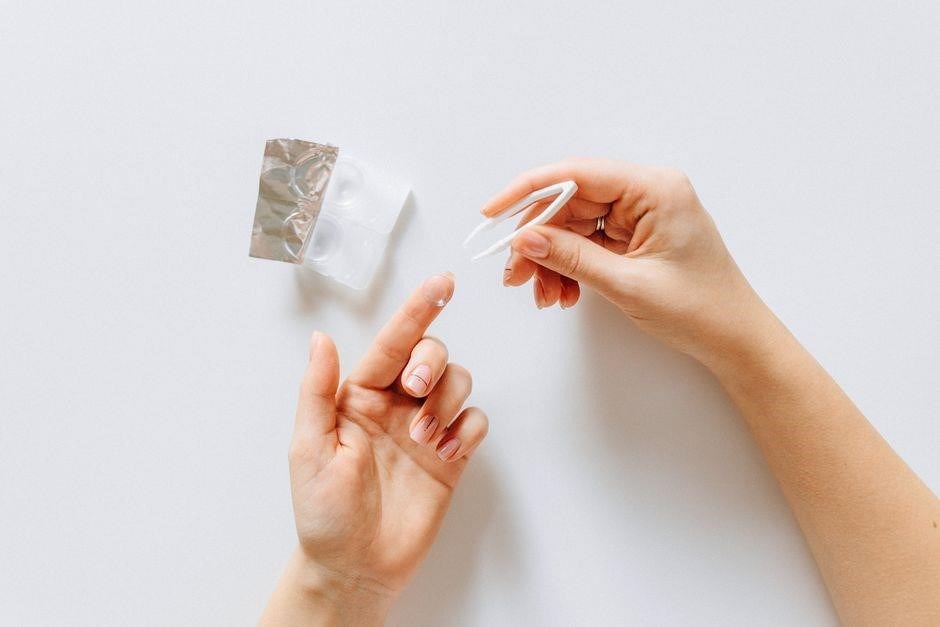
Indications and Patient Selection
Indications for the ultra mf toric fitting guide focus on patients who combine presbyopia with astigmatism. Candidates typically have a spherical equivalent between –0.50 D and +4.00 D‚ cylinder power ranging from –0.75 D to –3.00 D‚ and a stable refraction over the past 12 months. The guide is designed for individuals who have previously worn single‑vision toric lenses and have achieved satisfactory visual acuity‚ or for those who are new to toric wear but meet the above criteria. A comprehensive ocular surface assessment is mandatory; tear film stability‚ meibomian gland health‚ and corneal topography must be within acceptable limits to support multifocal toric optics. Patients with irregular astigmatism‚ keratoconus‚ or significant corneal scarring are excluded‚ as the toric platform requires a corneal shape for accurate axis alignment. Additionally‚ the guide recommends a minimum corneal diameter of 11.0 mm and a central corneal thickness of at least 460 µm to ensure adequate lens coverage and reduce the risk of lens decentration. For those with a history of ocular surgery—such as LASIK‚ PRK‚ or cataract extraction with IOL implantation—the guide advises a thorough review of post‑operative corneal curvature and residual refractive error. Only patients who demonstrate a stable‚ low‑order aberration profile should proceed. Finally‚ patient motivation and willingness to adhere to a rigorous fitting schedule are essential; the guide emphasizes the importance of patient education regarding lens care‚ wear limits‚ and the need for regular follow‑ups to monitor fit and visual performance. By strictly applying these selection criteria‚ clinicians can maximize the likelihood of a successful‚ comfortable‚ and vision‑enhancing outcome with the ultra mf toric fitting guide.
TOTAL30 Multifocal for Astigmatism Parameters and Fitting Guide
The TOTAL30 Multifocal for Astigmatism platform integrates a toric base with a multifocal add to address presbyopia in astigmatic eyes. Key parameters include a 6.0 mm base curve range (5.50–6.50 mm) to match corneal curvature‚ a diameter of 14.0 mm for optimal coverage‚ and a toric power range from –0.75 D to –3.00 D with axis alignment to 1–180°. Add power options span +2.00 D to +3.50 D‚ selectable in 0.25 D increments. The lens employs a high‑index‚ moisture‑sealing material (samfilcon A) that maintains hydration and reduces surface friction‚ as confirmed by nano‑tribometer testing. Surface modulus measured via AFM nanoindentation ensures a soft‚ compliant interface. The fitting guide recommends measuring vertex distance and adjusting toric power accordingly. A trial period of 10 minutes allows the lens to equilibrate before assessing centration‚ visual acuity‚ and comfort. The platform’s design supports a 30‑day wear schedule‚ with periodic follow‑ups to monitor fit stability and ocular surface health. This comprehensive parameter set ensures precise alignment‚ minimizes decentration‚ and delivers clear near‚ intermediate‚ and distance vision for astigmatic presbyopes. This lens provides exceptional visual clarity and comfort‚ ensuring patients can transition seamlessly between tasks. This lens provides exceptional visual clarity and comfort‚ ensuring patients can transition seamlessly between tasks. This lens provides exceptional visual clarity and comfort‚ ensuring patients can transition seamlessly between tasks. This lens provides exceptional visual clarity and comfort‚ ensuring patients can transition seamlessly between tasks. Patients report improved depth perception and reduced eye strain. Enjoy daily!!
Lens Material and Technology
The ultra mf toric fitting guide centers on samfilcon A‚ a high‑index‚ silicone‑hydrogel blend that delivers superior oxygen permeability (Dk = 106 cm²/day) while maintaining a low water content (38 %) for long‑wear comfort. MoistureSeal technology incorporates a hydrophilic polymer coating that continuously replenishes tear film‚ reducing surface friction as measured by nano‑tribometer (plt 0.05). The lens features a soft‚ compliant surface modulus (AFM nanoindentation) that adapts to corneal curvature‚ minimizing decentration. Its 6.0 mm base‑curve range and 14.0 mm diameter accommodate a wide spectrum of astigmatic corneas‚ while the toric power range (–0.75 D to –3.00 D) is calibrated to vertex distance adjustments. Add power options (+2.00 D to +3.50 D) are incorporated via a concentric ring design that preserves optical quality across the visual axis. The material’s high oxygen transmissibility supports a 30‑day wear schedule‚ with periodic in‑office checks confirming fit stability and tear film health. Patients report reduced dryness‚ improved visual acuity‚ and seamless transition between near and distance tasks. This material technology exemplifies the latest advances in contact lens science‚ ensuring both safety and performance for presbyopic astigmatic patients. The lens is manufactured using a precision micro‑molding process that guarantees uniform thickness and reduces edge lift. Anti‑protein deposition agents are incorporated into the polymer matrix‚ extending lens clarity and decreasing the need for frequent cleaning. UV‑blocking nanocrystals embedded in the surface layer provide additional protection against ocular surface damage without compromising visual clarity. The lens is compatible with standard cleaning solutions and can be stored in a 30‑day disposable pack‚ simplifying patient compliance. Overall‚ the combination of advanced material science‚ precise toric design‚ and user‑friendly care instructions makes the ultra mf toric fitting guide a reliable choice for clinicians and patients alike!
Coating and Surface Properties
The ultra mf toric fitting guide leverages MoistureSeal technology‚ a proprietary hydrophilic polymer coating that actively replenishes tear film‚ reducing surface friction as quantified by nano‑tribometer measurements (plt 0.05). This coating maintains a stable‚ hydrated interface‚ minimizing protein deposition and enhancing lens comfort. Surface modulus is optimized through AFM nanoindentation‚ yielding a compliant edge that conforms to corneal curvature‚ thereby decreasing decentration and improving centration stability. The lens features a micro‑structured surface that promotes rapid tear exchange‚ supporting oxygen permeability and reducing hypoxic stress. Anti‑protein deposition agents are embedded within the polymer matrix‚ extending lens clarity and decreasing cleaning frequency. The coating also incorporates UV‑blocking nanocrystals‚ providing ocular protection without compromising visual acuity. Together‚ these surface properties create a lens that delivers consistent optical performance‚ superior comfort‚ and long‑term wearability for presbyopic astigmatic patients. The MoistureSeal coating also reduces lens dryness‚ allowing patients to maintain clear vision throughout the day. Regular follow‑up appointments are recommended to monitor corneal health and lens integrity; The combination of advanced surface chemistry and precise toric design results in a lens that remains stable‚ comfortable‚ and visually reliable for extended wear. The coating’s nanoscopic texture facilitates rapid tear film renewal‚ preventing surface haze and preserving high‑contrast vision. Additionally‚ the anti‑protein layer resists biofilm formation‚ reducing the risk of infection and extending lens lifespan. The UV‑blocking nanocrystals absorb harmful wavelengths‚ protecting the ocular surface from phototoxic damage while maintaining optical clarity. Together‚ these features ensure that the ultra mf toric lens delivers superior performance across all visual tasks‚ from distance to near‚ even under variable environmental conditions.
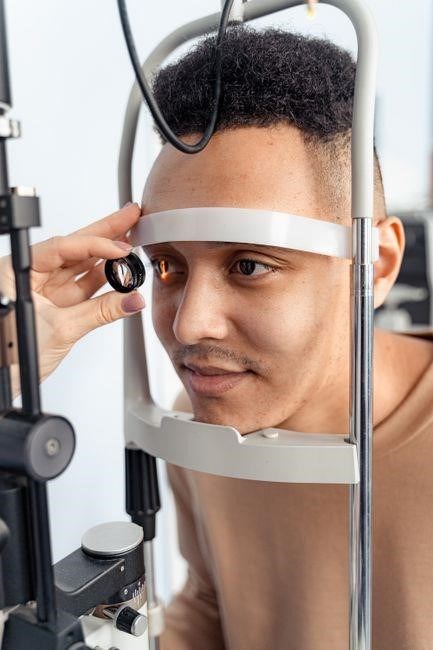
Fitting Protocol Steps
The ultra mf toric fitting guide follows a structured protocol designed to optimize lens selection‚ positioning‚ and patient satisfaction. Step 1: Perform a comprehensive ocular assessment‚ including corneal topography‚ keratometry‚ and pupil diameter measurement. Step 2: Select the toric lens power‚ adjusting for vertex distance if necessary‚ using the manufacturer’s toric power chart. Step 3: Choose the add power based on the patient’s near visual needs‚ referencing the add power table. Step 4: Fit the lens and allow it to equilibrate for at least 10 minutes before evaluation. Step 5: Assess centration‚ edge alignment‚ and tear exchange‚ ensuring the lens sits within the central 2 mm zone. Step 6: Verify visual acuity at distance‚ intermediate‚ and near‚ confirming that the patient reports clear‚ comfortable vision. Step 7: Document the final lens power‚ toric orientation‚ and any adjustments made. Step 8: Provide patient education on lens care‚ insertion‚ and removal techniques‚ emphasizing the importance of maintaining lens hygiene. Step 9: Schedule a follow‑up visit within 1–2 weeks to monitor fit stability‚ corneal health‚ and patient satisfaction. Step 10: Evaluate comfort‚ dryness‚ and tear film stability‚ noting any irregularities. Step 11: Adjust lens orientation if decentration exceeds 0.5 mm‚ ensuring optimal optical performance. Step 12: Re‑fit if necessary‚ using the same systematic approach. Step 13: Provide contact lens case and cleaning solution instructions‚ stressing proper storage. Step 14: Encourage the patient to report any visual disturbances immediately‚ ensuring rapid intervention. Step 15: Record all data in the electronic chart‚ creating a comprehensive record for future reference. This systematic approach ensures that each patient receives a personalized‚ well‑fitted lens that meets their presbyopic and astigmatic requirements.
Step 2: Select Toric Lens Power
Selecting the correct toric power is critical for achieving optimal visual outcomes with the ultra mf toric lenses. Begin by reviewing the patient’s corneal curvature data from the latest topography or keratometry session. Use the manufacturer’s toric power chart‚ which correlates the measured cylinder and axis with the appropriate lens cylinder power. Adjust the lens power for vertex distance if the patient’s prescription was measured at a different distance than the lens will sit on the eye. The chart typically provides a range of toric powers in 0.25‑diopter increments; choose the power that best matches the patient’s measured cylinder while maintaining the lens within the safe power range. If the patient’s cylinder is between two chart values‚ select the higher power to avoid under‑correction‚ then evaluate the fit. After selecting the toric power‚ mark the lens orientation on the lens case according to the axis provided‚ ensuring the lens will rotate into the correct position on the eye. Verify that the lens orientation aligns with the patient’s corneal steep axis to prevent decentration. Finally‚ record the selected toric power‚ axis‚ and any vertex adjustments in the patient’s chart for future reference. The lens should be rotated to align the steepest corneal meridian with the lens’s steep axis‚ ensuring minimal decentration. Record the vertex distance adjustment in the chart to maintain consistency across future fittings. Encourage the patient to wear the lenses for at least 8 hours before evaluating visual acuity to allow the tear film to stabilize. If the patient experiences persistent glare‚ a higher index material may improve contrast!!

Step 3: Select Add Power and Evaluate Lens
After the toric power is set‚ the next step is to determine the add power that will provide clear intermediate and near vision while maintaining the toric correction. Use the manufacturer’s add power table‚ which links the patient’s age‚ near vision requirement‚ and the base power of the lens. The add power is typically available in 0.25‑diopter increments. Select the add that matches the patient’s near visual acuity goal; Once the add power is chosen‚ place the lens on the patient’s eye and allow it to equilibrate for at least 10 minutes. This waiting period lets the tear film spread evenly over the lens surface‚ ensuring a stable optical interface. During the evaluation‚ assess centration by observing the pupil position relative to the lens axis. Check for decentration or rotation‚ which can degrade vision. Test visual acuity at distance‚ intermediate‚ and near distances‚ and ask the patient to report any halos or glare. If the patient experiences visual disturbances‚ consider adjusting the add power or selecting a higher index material to improve contrast. Document the final add power‚ patient’s subjective feedback‚ and any adjustments made. This thorough evaluation ensures the lens provides optimal vision across all distances while maintaining comfort and stability.
Finally‚ schedule a follow‑up visit in 4–6 weeks to reassess lens fit and visual performance. Adjustments can be made based on patient feedback and objective measurements‚ ensuring long‑term satisfaction with toric multifocal solution!
Evaluation Criteria for Successful Fit
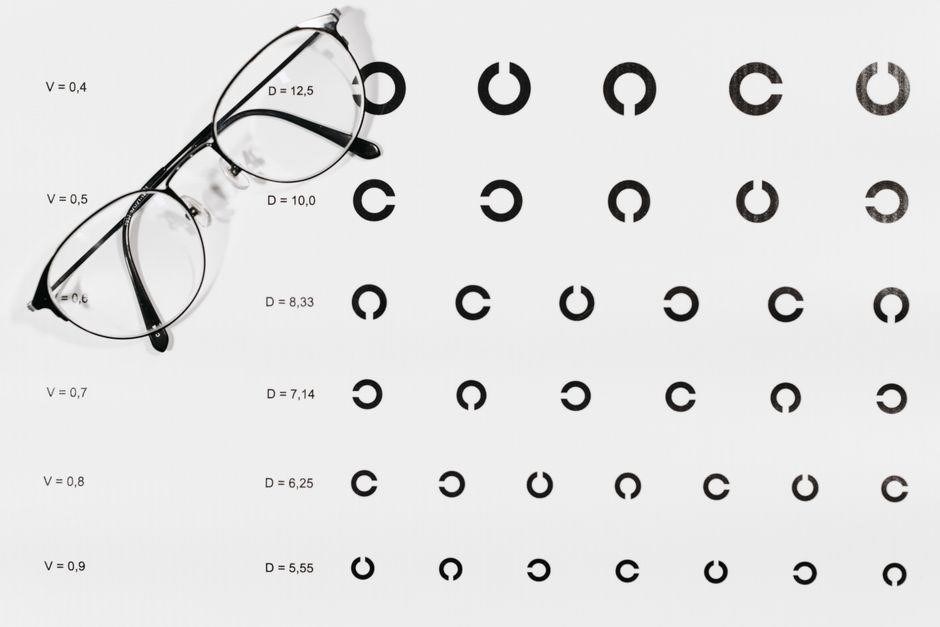
Successful fitting of the ultra mf toric lens hinges on objective and subjective criteria that ensure optimal vision and comfort. Centration is verified by aligning the lens axis with the pupil center; decentration beyond 0.5 mm compromises the toric correction. Rotational stability is assessed during blinking; a rotation of less than 5° over 30 seconds is acceptable. Tear film uniformity is evaluated by the absence of dry spots after equilibration. Visual acuity at distance‚ intermediate‚ and near should be at least 20/25 with minimal halos. Comfort is measured by patient feedback on dryness and irritation. Lens movement is monitored to ensure it remains centered throughout the wear cycle. Meeting these criteria confirms a successful fit and predicts long‑term satisfaction;
The lens material‚ samfilcon A‚ offers high oxygen permeability and MoistureSeal technology‚ enhancing tear film stability. During evaluation‚ assess the lens surface for scratches or debris that could affect vision. Consider the patient’s ocular surface health‚ such as meibomian gland function‚ because dry eye can interfere with toric alignment. A slit‑lamp examination should detect corneal staining or lens displacement. If any of these parameters are suboptimal‚ adjustments in lens power‚ toric axis‚ or adjustments may be necessary. Regular follow‑up visits every 4–6 weeks allow the clinician to monitor lens performance and make refinements‚ ensuring sustained visual quality and patient satisfaction
Record all findings to aid adjustments for daily continuity

Troubleshooting Common Fit Issues
When the ultra mf toric lens does not perform as expected‚ a systematic troubleshooting approach helps identify and resolve issues; First‚ verify lens centration: a decentered lens will produce blurred or distorted vision. Use a slit‑lamp to measure the distance between the lens axis and the pupil center; if >0.5 mm‚ adjust the toric axis or consider a different lens size. Second‚ assess rotational stability. A lens that rotates >5° during blinking will lose its astigmatic correction. Check for surface irregularities or debris that may cause friction; clean the lens with manufacturer‑approved solutions. Third‚ evaluate tear film adequacy. Dry eye can lead to lens movement and visual disturbances. Perform a tear breakup time test; if <10 s‚ recommend lubricating drops or a different material. Fourth‚ examine the add power. If intermediate vision is weak‚ the add power may be too low; consider increasing the add or switching to a lens with a higher add. Fifth‚ inspect the lens for defects. Scratches or manufacturing defects can impair vision; if found‚ replace the lens. Finally‚ consider patient factors such as eyelid anatomy or ocular surface disease. Adjusting the lens fit or switching to a different toric design may be necessary. Document each step and follow up within 48 h to confirm resolution.
When rotational drift persists‚ consider a higher toric index or an alternative lens design. If vision remains suboptimal‚ perform corneal topography to rule out irregular astigmatism. Reinforce lens hygiene and schedule a 2‑week follow‑up!!
Patient Counseling and Education
When introducing the ultra mf toric lenses‚ begin with a clear explanation of how the toric design corrects astigmatism while the multifocal add addresses presbyopia. Emphasize that the lens will provide sharp distance vision‚ intermediate focus for computer work‚ and near vision for reading. Discuss the expected adaptation period—typically 1–2 weeks—during which the patient may notice slight halos or glare‚ especially at night. Provide a step‑by‑step cleaning routine: wash hands‚ apply the recommended solution‚ gently rub the lens‚ rinse‚ and store in the case. Stress the importance of not reusing old solution and avoiding tap water. Explain the daily wear schedule: 8–12 hours on‚ 12–16 hours off‚ and the need to replace the lens at the end of the prescribed cycle. Address common concerns: “Will the lens rotate?”—reassure that the toric axis is designed for stability but advise to report any noticeable rotation. Discuss the importance of regular follow‑ups: a 1‑week check‑in to assess fit‚ a 1‑month review to confirm visual acuity‚ and annual exams for corneal health. Encourage patients to keep a symptom diary‚ noting any discomfort‚ blurred vision‚ or changes in vision quality. Offer lifestyle tips: reduce prolonged screen time‚ use proper lighting‚ and wear sunglasses to mitigate glare. Finally‚ empower patients by giving them a contact sheet with emergency contacts‚ troubleshooting FAQ‚ and a reminder of the next appointment. This comprehensive counseling ensures confidence‚ compliance‚ and optimal visual outcomes; Ask questions whenever you feel uncertain‚ we’ll help.

Post-Care and Maintenance Recommendations
After fitting‚ patients should follow a strict hygiene routine. Wash hands with soap‚ rinse‚ and dry before handling lenses. Use the manufacturer’s solution; never mix with tap water or other products. Apply a small drop to the lens‚ rub gently for 10–15 seconds‚ rinse‚ and place in the case. Store lenses in a clean‚ dry case with fresh solution. Replace the case every 3–6 months. Wear lenses for the prescribed 8–12 hours; remove for at least 12 hours to allow corneal rest. Perform a daily fit check: look for lens rotation‚ debris‚ or discomfort. If symptoms arise‚ contact the clinic immediately. Schedule a follow‑up at 1 week to assess fit and visual acuity‚ and a comprehensive exam at 6 months. Educate patients on signs of infection: redness‚ pain‚ discharge‚ or vision loss—seek care promptly. Encourage regular eye exams and update prescription as needed. Maintain a log of wear time‚ solution usage‚ and any issues. With diligent care‚ the ultra mf toric lenses will provide lasting comfort and clear vision.
Patients should also monitor for lens fogging‚ especially in humid environments. If fogging occurs‚ use a dedicated lens cleaning solution rather than tap water. It is advisable to keep a spare lens pair on hand for emergencies. In case of extended wear‚ consider switching to a daily disposable regimen to reduce biofilm buildup. Finally‚ remind patients that proper lens hygiene directly impacts corneal health and long-term vision quality. Replace lenses per schedule daily.

Resources and Further Reading
For clinicians and patients seeking deeper insight into the ultra mf toric fitting guide‚ the following curated resources provide evidence‑based protocols‚ product specifications‚ and patient education materials:
- Alcon® Official Product Page – Detailed lens specifications‚ fitting charts‚ and application videos for the Ultra MF Toric series.
- American Academy of Ophthalmology (AAO) Clinical Practice Guidelines – Comprehensive guidelines on toric multifocal contact lens selection‚ fitting‚ and post‑care.
- Journal of Contact Lens & Anterior Eye (JCLAE) – Peer‑reviewed studies on toric multifocal lens performance‚ wear comfort‚ and visual outcomes.
- Contact Lens Society of America (CLSA) Resources – Continuing education modules‚ webinars‚ and case studies on toric multifocal fitting.
- EyeSmart® Patient Education Portal – Patient‑friendly videos and brochures explaining lens care‚ troubleshooting‚ and lifestyle tips.
- FDA Medical Device Database – Regulatory information‚ safety alerts‚ and post‑marketing surveillance reports for the Ultra MF Toric lenses.
- Contact Lens Manufacturers’ Technical Support – Dedicated helplines and online chat for real‑time troubleshooting and product updates.
Clinicians are encouraged to review the latest research‚ attend industry conferences‚ and participate in hands‑on workshops to refine fitting skills and stay current with evolving toric multifocal technologies.
Visit our site for the latest updates.